Electric Parking Brakes (EPBs) are becoming standard on the majority of vehicles these days. While they simplify the braking system and bring convenience for drivers, they can add a layer of complexity for techs like yourself. Chances are, you’ve already seen these systems coming through the bay.
How EPBs Work
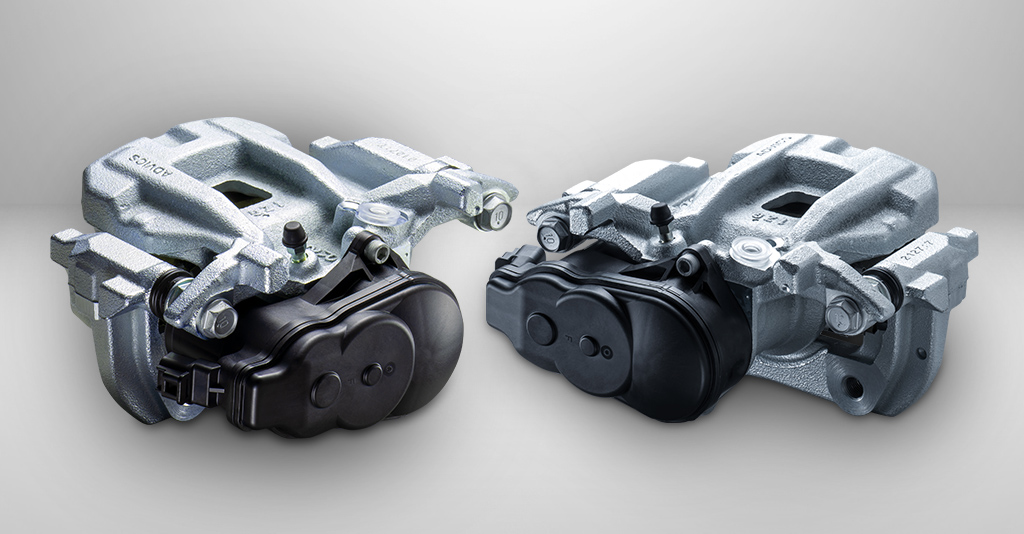
Unlike traditional parking brakes that utilize a cable system to engage, EPBs use an electric actuator (also known as a motor gear unit or MGU) mounted on the rear caliper which uses a DC motor to apply and release the brake pads. The system is controlled by the vehicle’s electronic control unit (ECU), which monitors signals from wheel speed sensors, ABS, and other components, ensuring they function properly. Sounds simple, right? While it’s a smart setup, there’s always the chance that things can get tricky with a part failure.
Common Causes of Malfunction
Sometimes systems fail even with the best of care. Here are some common failure points to look out for:
- Seized Actuator or Corroded Mechanism: Moisture intrusion or lack of lubrication can cause internal corrosion, leading to actuator failure.
- Damaged Wiring or Connectors: Exposure to road debris, corrosion, or rodent damage can interrupt the circuit.
- Faulty Control Module: Less common, but it happens—especially on vehicles with higher mileage.
- DIY Battery Disconnects: Customers who replace their own batteries or jump-start improperly can trigger error codes or cause the EPB system to lock up.
While you may already be familiar with these, symptoms of failure often include a parking brake that won’t engage or release, dashboard warnings, or even dragging brakes.
Pro Tips for Service
Every pro like yourself knows that paying attention to detail makes all the difference in your work. Here’s a few tips to keep in mind before getting started on the job:
- Disable the System First: Remember to always follow OEM procedures or use a scan tool to retract the actuator before pulling a caliper. Skipping this step can destroy the actuator.
- Inspect Before You Reuse: If the actuator housing shows cracks or signs of water intrusion, replacing just the caliper won’t cut it.
- Don’t Cheap Out on Electronics: A weak actuator is a comeback waiting to happen.
When Replacement Is the Only Option
If an actuator fails, you’ll be looking at replacing the entire assembly, and it’s important to remember that quality matters most. Poorly engineered actuators can lead to comebacks, especially when dealing with sensitive electronics components. ADVICS EPB Actuator Kits are designed to meet OE specifications and work in partnership with the braking system. Install with confidence and keep your customers rolling (or, stopping).
Learn more about ADVICS EPB Actuator Kits by visiting our product page.
Looking for more expert tips? Visit our Technical Resources page for more insights to keep your jobs running smooth.